

CRICKET FEATURES | INTERVIEW ANALYSIS | 29 OCTOBER 2026
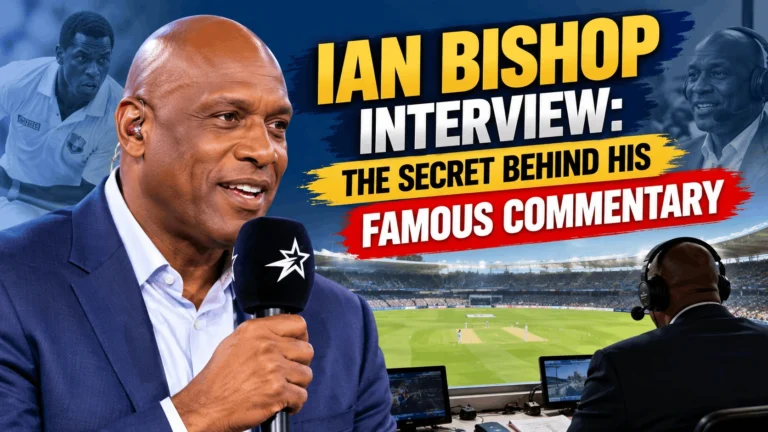
Ian Bishop believes good cricket commentary starts long before the first ball. In an October 2025 interview, the former West Indies fast bowler explained why he studies every player, listens to other commentators, and chooses his words carefully. His approach is simple: prepare well, explain what matters and treat people with respect. He also shared how he moved from bowling fast to speaking about the game on television.
Bishop spoke with broadcaster Raunak Kapoor in an interview for The Cricket Monthly. He discussed the people who taught him, the pressure of live television and the stories behind young players. The conversation shows that a commentator does much more than name each shot. The best work helps fans understand both the game and the people playing it.
Ian Bishop Interview: Key Points at a Glance
| Topic | What Bishop explained |
|---|---|
| His main rule | Research players and their recent form before a tournament. |
| Commentary style | Add information viewers cannot see for themselves. |
| Working with others | Give every voice in the commentary box a fair turn. |
| Player criticism | Be honest about mistakes without being cruel. |
| Big moments | Prepare the context, but let the call sound natural. |
| Future ambition | He would enjoy teaching and sharing what he has learnt. |
How Did Ian Bishop Become a Cricket Commentator?
Ian Bishop was a West Indies fast bowler before he became a television voice. After his playing career, he did not plan to stay close to international cricket. He preferred a quieter life away from the dressing-room pressure. Yet a chance to try broadcasting changed his path.
Bishop explained that he was already doing some radio work in Trinidad. An agent later brought him an opportunity with Channel 4 in England. The broadcaster needed someone for a 2000 West Indies tour. Bishop recorded a trial and began his international television career.
Former West Indies bowler Michael Holding played an important part in that journey. Bishop later learned that Holding had recommended him to Channel 4. He also learned from broadcaster Tony Cosier and other experienced voices. Those early lessons helped him become more confident behind the microphone.
Why Does Ian Bishop Research Every Player?
Preparation is the strongest message in Bishop’s interview. He said that researching players is part of doing his job properly. He wants to know what they have done recently and how they reached the team. That work helps him explain a player’s story when an important moment arrives.
This means looking beyond the runs and wickets on a scorecard. A young batter may have moved far from home to train. A bowler may have returned after an injury or a long spell without selection. Such details help fans see the person behind the performance.
Bishop also talked about the families who support young cricketers. Some parents make large sacrifices so their children can attend coaching sessions. He thought about those families when his own daughter started playing cricket. Her new interest made him reflect on the effort behind every young player’s dream.
For a viewer, that preparation changes the broadcast. A commentator can explain why a maiden wicket matters to a debutant. They can show how a player improved after a difficult season. The match still comes first, but the people inside it become easier to understand.
What Makes Good Cricket Commentary?
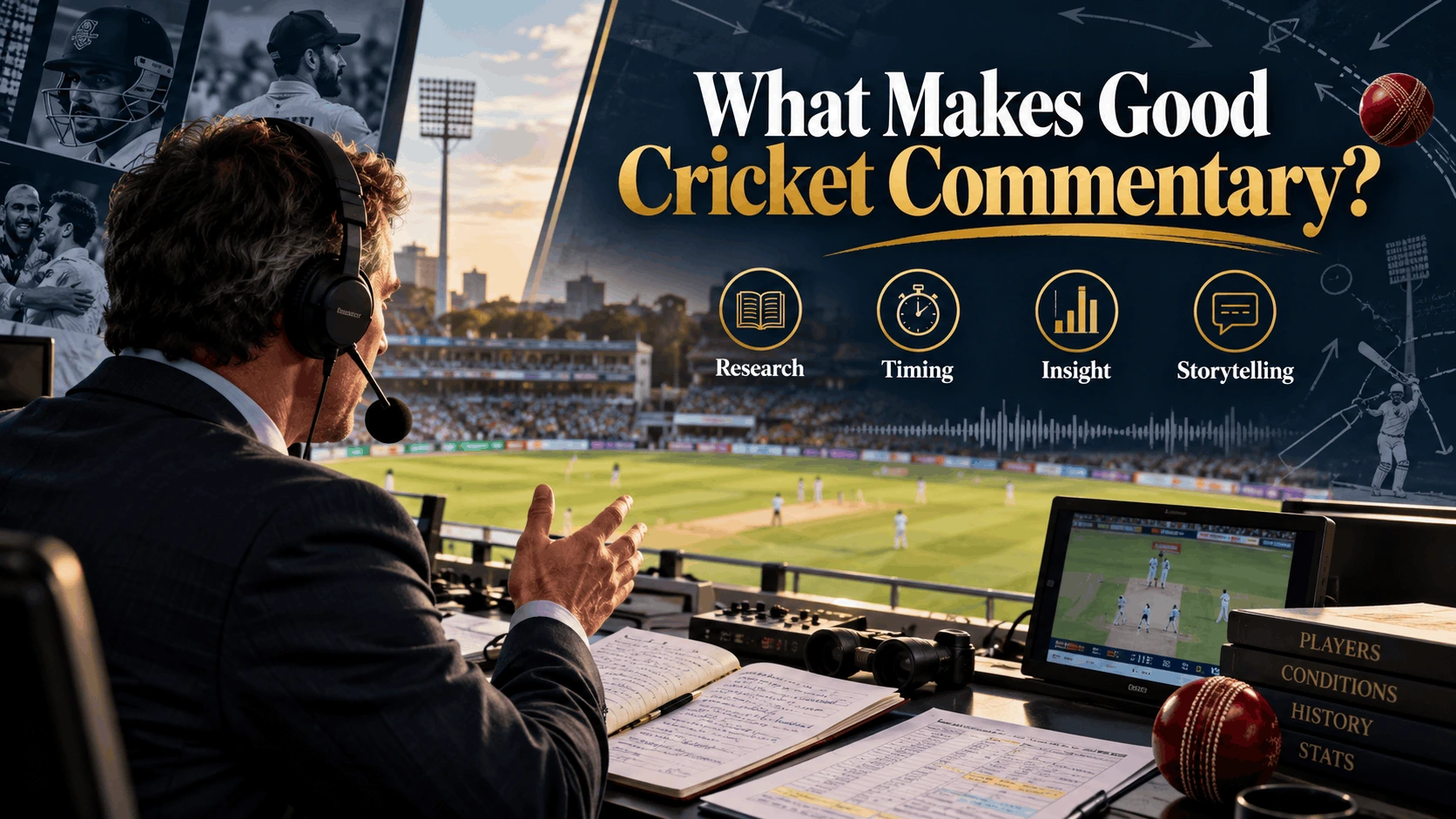
Bishop believes television commentary should offer more than a description of the picture. Viewers can already see a cover drive or a fielder catching a ball. A useful commentator explains the timing, the shot choice, and the pressure behind it. That extra detail makes the action more meaningful.
He did not understand this idea at the start of his broadcasting career. Directors and fellow commentators encouraged him to bring more knowledge to each moment. He learnt to tell fans something new instead of repeating what appeared on screen. That lesson still shapes how he works.
A good example is a batter reaching a hundred. The score tells us that the player has made 100 runs. Commentary can explain whether this is a first international century, a comeback or a match-saving innings. The number matters, but the story matters too.
Why Bishop Sometimes Chooses Silence
Bishop does not think a commentator must speak after every ball. He admires calm broadcasting and knows that silence can give fans room to enjoy a moment. When he is not leading the call, he may wait before adding his opinion. He uses that time to watch the next delivery and follow the game closely.
He also knows one style doesn’t suit every tournament. The IPL moves quickly, and its broadcasts often carry more energy. Test matches can give commentators time for longer thoughts. Bishop tries to understand the pace of each event while keeping his own voice.
His approach isn’t a rule every other broadcaster must follow. Some viewers enjoy loud and excited calls. Others prefer fewer words and careful analysis. Bishop believes different voices can help make cricket coverage more interesting.
Sir Vivian Richards is widely regarded as one of cricket’s greatest batters. Read our guide on Who is the Godfather of Cricket to learn more about his legendary career, fearless batting style, and lasting impact on the game.
A Commentary Box Works Like a Cricket Team
Live commentary usually involves more than one person. A lead commentator describes the main action and guides the broadcast. An expert commentator adds ideas about technique, field settings and tactics. Everyone needs to understand when to speak and when to listen.
Bishop said that sharing the microphone takes discipline. One commentator should not interrupt another to be heard. The person leading the conversation should also invite colleagues to contribute. This helps the broadcast feel like a team effort rather than a contest for attention.
| Broadcast role | What the viewer gains |
|---|---|
| Lead commentator | A clear call of the action and smooth links between speakers. |
| Expert commentator | Insight into shots, bowling plans and decisions. |
| Research and preparation | Helpful details about players, teams and past events. |
| Good teamwork | Clear explanations without people talking over one another. |
Bishop connected that idea with good leadership in cricket. A captain wants every player to feel important, even when someone else gets the headlines. A commentary team needs the same care. Listeners benefit when different people can share their strengths.
The People Who Helped Shape Bishop’s Style

p>Bishop named several people who helped him learn the craft. Michael Holding offered a calm example and supported his move into television. Tony Cosier showed the value of knowledge and clear communication. Bishop also spent time learning beside the respected Australian commentator Richie Benaud.
He remembered firm lessons from producers at Channel 4 and Trans World International. They expected careful work and did not accept an untidy broadcast. Their standards sometimes made learning difficult. Over time, the pressure helped Bishop improve his preparation and delivery.
These influences did not make Bishop copy another person. He had to find a voice that suited his own personality. He is naturally quiet and prefers private time away from work. His career shows that someone does not need to be loud in daily life to speak well on television.
How Does He Criticise Players Fairly?
A commentator must sometimes point out poor play. A dropped catch or a risky shot can change the match. Bishop believes viewers deserve an honest explanation of those mistakes. But he does not think an error gives anyone a reason to insult a player.
He spoke about the family members who may be watching from home. A harsh comment can reach a player’s parents, children or friends. Bishop prefers to explain what went wrong and how to improve. That makes criticism useful, not hurtful.
He learnt this kind of advice during his own playing career. Former West Indies captain Richie Richardson spoke to him calmly when he needed to improve. Bishop found that easier to hear than shouting or blame. He believes firm words and respect can go hand in hand.
How Was the Famous 2016 World Cup Final Call Made?
Many cricket fans remember Bishop’s call during the 2016 T20 World Cup final. Carlos Brathwaite struck four straight sixes against England to win the trophy for the West Indies. Bishop’s words from that finish became closely linked with the moment. In the interview, he explained that the call was not simply a prepared speech.
A conversation before the final made him think about which players might shape the match. When Brathwaite delivered his famous finish, the words came naturally. Bishop said that learning widely can help a commentator find the right language. Preparation gives the mind useful ideas, while the live event creates the feeling.
He also described advice about calling a century. Instead of reacting only to the number, a commentator should know why that milestone matters. It may complete a long return to form or keep a team alive. Fans remember a line more easily when it fits the moment.
Does a Cricket Commentator Need to Be a Former Player?

Bishop does not believe that only former cricketers should work in commentary. A retired player can explain what happens inside a match. They may understand a bowler’s pressure or a batter’s decision from personal experience. That knowledge is valuable, but it is not the only kind.
A trained broadcaster may bring strong interview skills, careful research and a wider view of events. Such people can ask clear questions and help experts explain difficult points. Bishop believes both kinds of commentator can work well together. The goal is to help the audience, not protect one group’s place in the box.
Could Ian Bishop Teach Cricket Commentary?
Bishop has spoken about his interest in teaching. Before his broadcasting career, he considered a career in education. He also enjoyed research while studying for a master’s degree. Sharing what he knows still matters to him.
He said he would enjoy teaching others, though he would expect hard work. His lessons would likely begin with research, respect and discipline. He also wants young people to feel that their work has value. That message matches how he speaks about players and fellow broadcasters.
What Young Commentators Can Learn From Ian Bishop
There is no short path to becoming a trusted commentator. Bishop’s career points to several habits that can help. Study the players, watch each ball closely, and listen when someone else is speaking. Learn from criticism without giving up your own voice.
| Lesson | A simple way to practise it |
|---|---|
| Research | Read recent scorecards and learn one player story before a match. |
| Clarity | Explain why an event matters, not only what happened. |
| Listening | Allow fellow speakers to finish their point. |
| Fairness | Describe mistakes honestly without insulting players. |
| Timing | Speak when your words add value; allow quiet moments too. |
His story also shows that confidence can grow with practice. Bishop started as a shy former player who had little television training. He learnt from mistakes and trusted people around him. Years later, he still describes preparation as central to his work.
Frequently Asked Questions About Ian Bishop
Who is Ian Bishop?
Ian Bishop is a former West Indies fast bowler who became a cricket commentator after his playing career. He is known for his knowledge and calm delivery.
When did Ian Bishop begin television commentary?
Bishop explained that his international television work began after a Channel 4 opportunity for a West Indies tour in 2000.
Why does Ian Bishop research players?
He wants to explain their recent form and personal stories. His preparation helps viewers understand why key moments in cricket matter.
Who helped Ian Bishop become a commentator?
Bishop described guidance from Michael Holding, Tony Cosier, Richie Benaud and experienced television producers.
Why does Ian Bishop not speak after every ball?
He believes some moments need space. When another commentator leads, he prefers to listen and speak when he can add something useful.
What does Ian Bishop think about criticising players?
He supports honest analysis but prefers respectful language. He wants to explain mistakes without attacking the person who made them.
Did Ian Bishop plan the 2016 World Cup final commentary?
He said earlier conversations and wide preparation helped shape the moment. The famous call came naturally during the match.
Can someone who never played international cricket be a good commentator?
Yes. Bishop believes trained broadcasters bring different skills, while former players offer their own experience of the game.
Does Ian Bishop want to teach commentary?
He has expressed interest in teaching and sharing knowledge. He believes hard work and discipline matter for anyone learning to broadcast.
Final Word: The Work Behind a Trusted Cricket Voice
Ian Bishop’s interview offers a clear picture of life behind the microphone. His calm voice is only one part of the job. Research, teamwork and careful words help him make each broadcast useful. He wants fans to learn about the players, not just the score.
The most important lesson is that good commentary begins before match day. A well-prepared voice can explain a young player’s struggle or a great match-winning moment. Bishop’s career shows how knowledge and respect can make cricket stories worth hearing. Those habits matter in the commentary box and far beyond it.
ABOUT THIS ARTICLE
Based on Ian Bishop’s interview with Raunak Kapoor for The Cricket Monthly, published 8 October 2025.